Daily Word: Mark 11:11-26 – The Fig Tree, the Temple, and Faith | Friday, May 29
Jesus curses a fig tree and cleanses the Temple. A startling Gospel that reveals the danger of appearances without substance. 4-minute reflection.
DAILY WORD
SPWWORSHIP
5/29/20263 min read
Scripture Reference: Mark 11:11-26 (Friday of the 8th Week in Ordinary Time)
“Have faith in God. Amen, I say to you, whoever says to this mountain, ‘Be lifted up and thrown into the sea,’ and does not doubt in his heart but believes that what he says will happen, it shall be done for him.” (Mark 11:22-23)
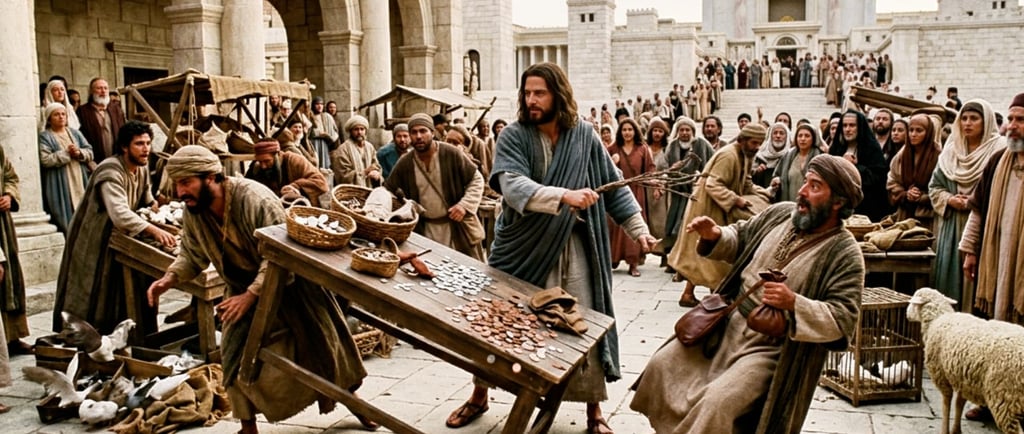
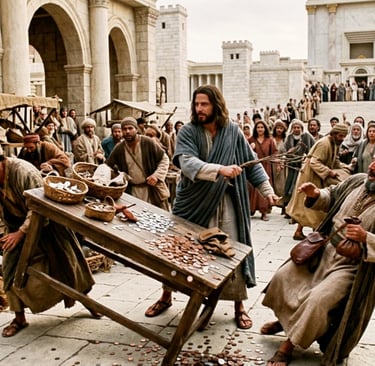
This is one of the most startling passages in the Gospel. Jesus enters Jerusalem in triumph, looks around the Temple, and leaves. The next day, He curses a fig tree that has leaves but no fruit — and it withers. Then He marches into the Temple and overturns tables, driving out the merchants.
At first glance, Jesus seems angry, even irrational. Why curse a fig tree out of season? Why such violence in the house of God?
But Mark is teaching us something profound about spiritual hypocrisy, the power of faith, and the non-negotiable requirement of forgiveness.
The Fig Tree: A Prophetic Sign, Not a Tantrum
The fig tree was a common symbol for Israel in the Old Testament (Hosea 9:10, Jeremiah 24). A tree full of leaves promised fruit, but there was none. It was a living parable of appearance without reality.
Jesus was hungry — a very human detail. But His hunger was not just physical. He had come to His people seeking the fruit of righteousness, justice, and love. Instead, He found a religious system that looked lush on the outside (leaves) but bore no fruit for God.
When Jesus says, “May no one ever eat of your fruit again,” He is not throwing a botanical tantrum. He is pronouncing judgment on a form of religion that is all show and no substance. The fig tree withers immediately — a prophetic act pointing to the fate of a faith that does not produce repentance.
The Temple Cleansing: God’s House or a Marketplace?
Jesus then enters the Temple. What does He find? Money changers exchanging Roman coins (which bore Caesar’s image and pagan inscriptions) for Tyrian shekels (the only coin accepted for the Temple tax). And sellers of animals for sacrifice — conveniently located but at exorbitant prices.
The outer court, the Court of the Gentiles — the only place where non-Jews could pray — had become a noisy, greedy bazaar. Prayer was impossible.
Jesus quotes Isaiah 56:7: “My house shall be called a house of prayer for all peoples.” Then He adds a stinging rebuke from Jeremiah 7:11: “But you have made it a den of thieves.”
He is not just angry about commerce. He is restoring the original purpose of the Temple: encounter with God, available to everyone, without barriers or exploitation.
The Withered Tree and the Unforgiving Heart
The next morning, Peter points out that the fig tree has withered to its roots. Jesus uses this as a teaching moment about faith and forgiveness — which at first seems unrelated.
But here is the connection: The fig tree withered because it had leaves but no fruit. The Temple merchants were expelled because they had religious activity but no prayer. Both lacked the fruit of a living relationship with God.
And what is the first fruit of that relationship? Forgiveness.
Jesus says: “When you stand to pray, forgive anyone against whom you have a grievance, so that your heavenly Father may forgive your transgressions.”
Without forgiveness, faith is just leaves. Without mercy, prayer is just noise. A heart that holds grudges cannot move mountains — because it is already buried under its own bitterness.
What This Means for Your Friday
Today, examine your own fig tree.
Do you have leaves (church attendance, rosaries, Bible verses on social media) but no fruit (patience, kindness, humility)?
Have you turned your “temple” — your soul, your home, your parish — into a marketplace of distractions, busyness, and noise instead of a house of prayer?
Is there someone you need to forgive so that your faith can have its full power?
Jesus is not looking for perfect people. He is looking for honest people — those who admit their fruitlessness and ask Him to uproot the dead branches.
And then comes the promise: “Have faith in God… whatever you ask in prayer, believe that you have received it, and it shall be yours.” But that promise is tethered to forgiveness. Unforgiveness is the lock on the door of God’s power.
A Challenge
Before you pray today, take one minute to name the person you resent the most. Then say out loud (or silently): “I forgive them, not because they deserve it, but because You have forgiven me.” That is the fruit Jesus seeks.
A Short Prayer
Lord Jesus, cleanse my heart as You cleansed the Temple. Forgive my leafy faith that bears no fruit. Uproot my hidden resentments. Teach me to pray with a forgiving heart, so that my faith can move mountains — not for my glory, but for Your Kingdom. Amen.
Connect
Join our community for uplifting worship content
Contact
Subscribe
apocrifo1815@gmail.com
© 2026. All rights reserved.